10x10 Tile Riddle
Instructions:
Drag and drop the blocksDescription
10x10 Tile Riddle Browser Game Analysis
Standout Features
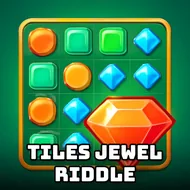
There's something almost meditative about a 10x10 grid, and this jewel-block puzzler leans right into that. Three shapes show up at a time, you drag them wherever they'll fit, and the goal is simple on paper: clear full rows or columns before the board fills up. No timer screaming at you, no lives ticking away, just a quiet grind of spatial math that gets trickier the longer you last. The jewel-toned pieces give it a bit of visual sparkle without turning gaudy, and the whole thing runs fine as a quick mobile session or a longer desktop sit-down. It leans on the same bones as Tetris, sure, but stripping out gravity and falling pieces changes the calculus completely — you're planning three moves at once instead of reacting to one falling block.
Here's the part that gets people hooked: you can't rotate anything. Whatever shape you're handed, that's the shape you're stuck with, and fitting an awkward L-piece into a half-finished board becomes this small, satisfying puzzle every single round. Early on it feels forgiving, plenty of open space, easy lines to clear. Then the grid narrows and suddenly you're staring at three pieces that just don't want to cooperate, and one bad placement snowballs into a cramped mess a few turns later. The game ends the moment none of your current three pieces has anywhere to go, so there's a real weight to every drag-and-drop decision, even the ones that seem trivial at the time.
Control Scheme
Controls stay about as uncomplicated as puzzle games get. You click or tap a jewel block, drag it across the grid, and drop it where you want it to sit. That's the entire input scheme, no keyboard shortcuts, no combos to memorize, which makes it approachable for pretty much anyone who wanders in looking for a low-stakes brain teaser during a coffee break.